Winter garden design: glazing, heating and furnishing a garden room
How to design a winter garden or glazed garden room: glass and frames, shading and ventilation, underfloor heating, flooring, furniture and plants that thrive.
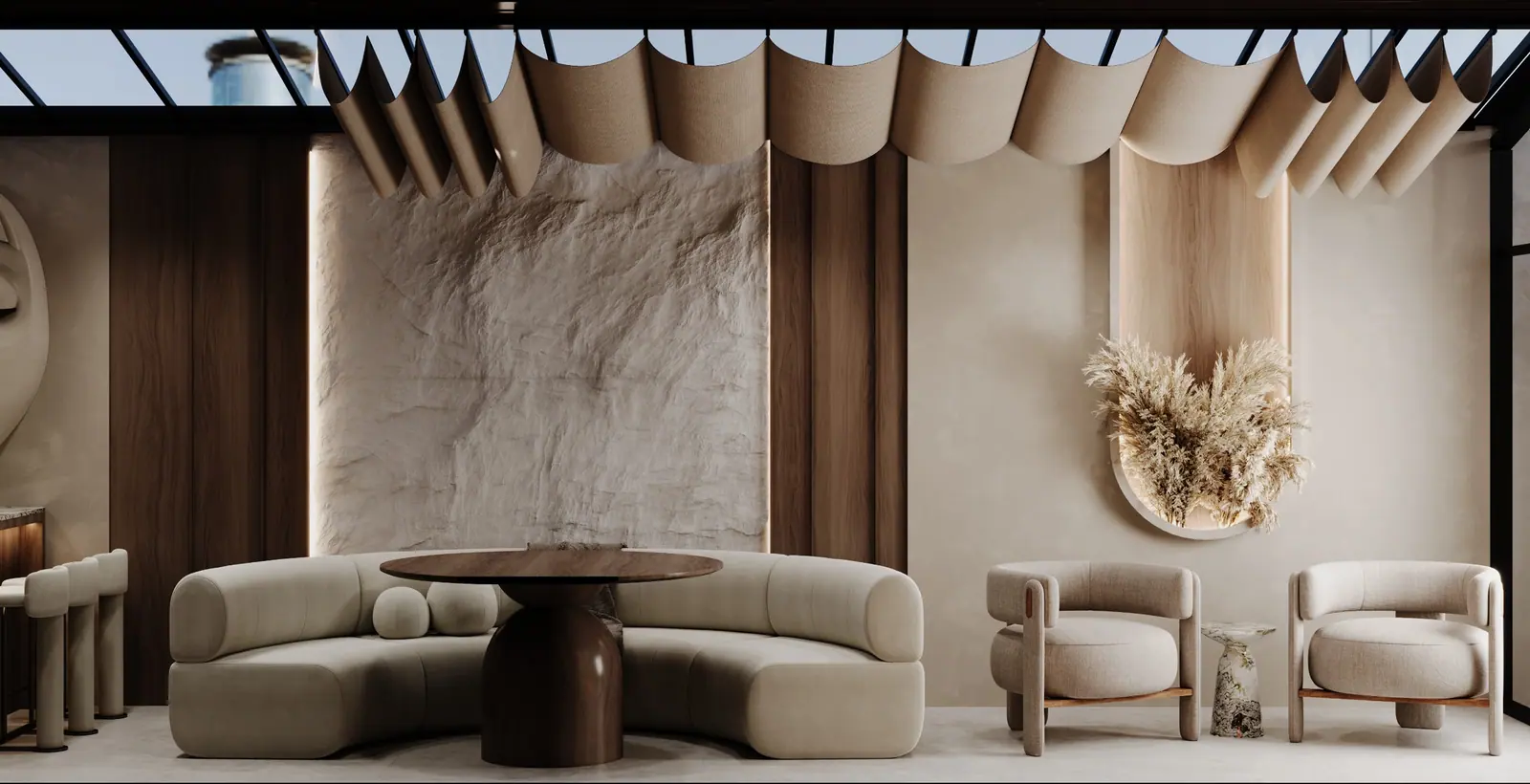
A winter garden, known in Turkish as a kış bahçesi, is a glazed room between the house and the garden that can be used all year. In Istanbul villas it is often the most loved room in the house: a place for breakfast in the winter sun, for plants and for sitting with the garden in view when it is too cold to go outside. Designing one well is mostly about controlling temperature and light, and only then about furniture.
Where it works best
- South or south-east: the best winter sun, but needs strong summer shading.
- East: morning light and moderate summer heat; often the most comfortable.
- West: strong afternoon sun, hard to keep cool in summer.
- North: even light, little overheating, but needs more heating.
Winter gardens are built either as an enclosed terrace or as a new glazed extension. Both usually involve changes to the building's exterior and may need a permit and approval from the site management.
Glazing and frames
| Choice | Recommendation |
|---|---|
| Glass | Double or triple insulated, low-E with solar control |
| Roof glass | Laminated safety glass on the inside |
| Frames | Thermally broken aluminium, slim profiles |
| Openings | Sliding or folding doors to the garden, roof vents |
| Drainage | Integrated gutters sized for heavy rain |
A solid, insulated roof with skylights is often more comfortable than a fully glazed roof, especially on south and west orientations.
Shading and ventilation
Overheating is the most common complaint about glazed rooms. Plan for:
- External shading: awnings, louvres or blinds outside the glass are the most effective.
- Internal blinds: pleated or roller blinds in roof glass for glare control.
- Stack ventilation: low openings to let cool air in and high vents to let warm air out.
- Cooling: a discreet air conditioning unit for the hottest days.
Heating
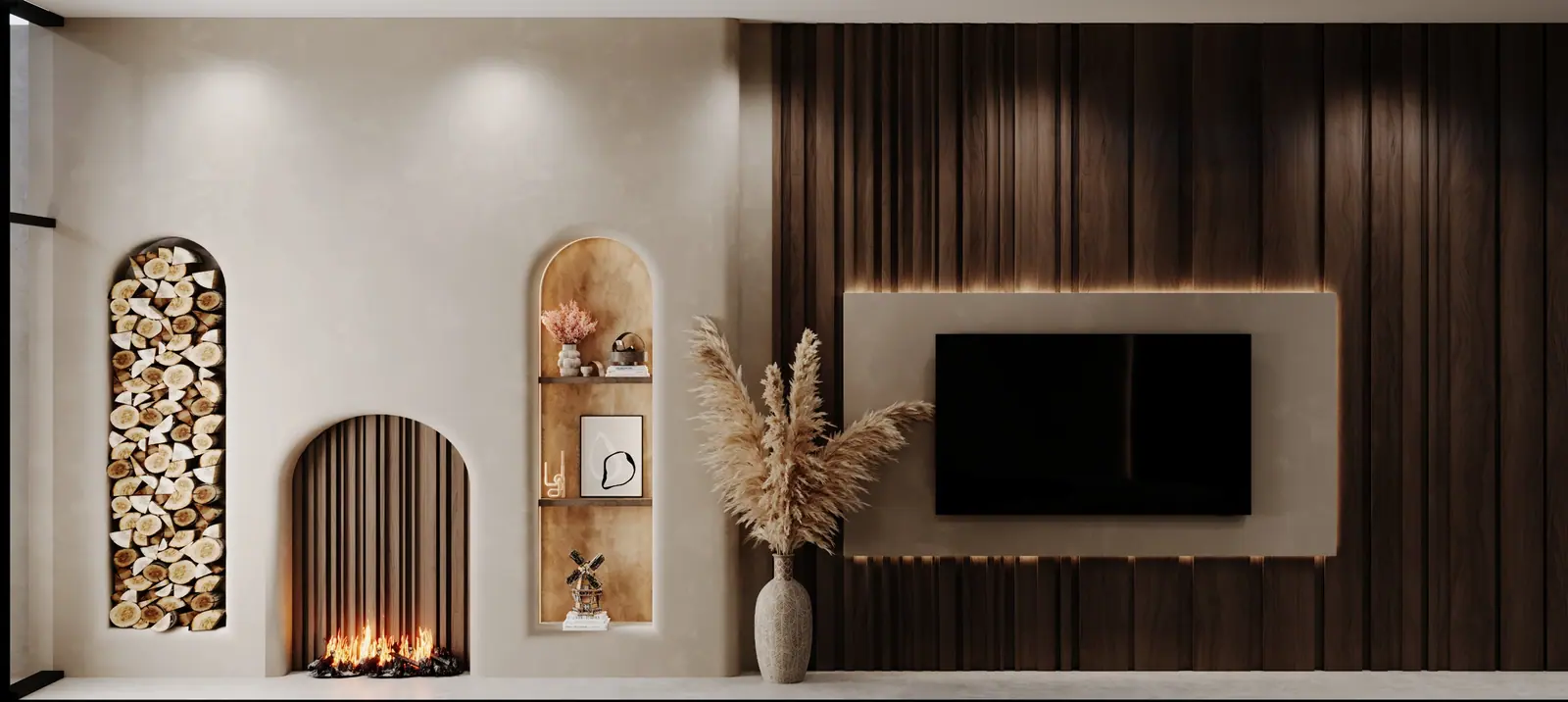
Underfloor heating is the ideal system for a winter garden: invisible, even and comfortable underfoot. In a fully glazed room, add a perimeter heater or trench heater along the glass to prevent condensation and cold downdraughts. A fireplace or a wood stove adds atmosphere and a focal point for the evenings.
Floors and walls
Stone or porcelain works best: it absorbs heat during the day, copes with watering and can continue outside in a frost-resistant version for a seamless threshold. Solid walls can carry a texture or a feature, such as a stone wall, a relief or a fireplace niche, which gives the room character that glass alone cannot.

Furniture
Choose furniture that feels between indoors and outdoors: curved armchairs and sofas with performance fabrics, rattan or woven elements, a round dining table and plenty of cushions. Fabrics should resist fading, as UV exposure is high. Keep the furniture low so that the view to the garden stays open.
Plants
Plants are the reason many people want a winter garden. Choose species that like bright light and a mild winter, such as citrus trees, olive trees, ficus, strelitzia and palms. Plan water points and drainage for large planters and avoid placing plants directly against the glass in winter.
Lighting
In the evening a glazed room becomes a dark mirror. Soft, low-level lighting, table lamps, lighting in planters and a few spotlights on the garden beyond the glass reduce reflections and keep the view alive. Our guide to garden and facade lighting explains how to light the view from inside.
Checklist
- Orientation and shading decided before the frame is ordered
- Permit and site management approval checked
- Underfloor heating and perimeter heating
- Roof vents or high-level openings
- UV-resistant fabrics and water points for plants
For how a winter garden connects with the rest of the ground floor, see designing an open-plan ground floor and villa living room design.
Frequently asked questions
Does a winter garden need a permit?
Enclosing a terrace or building a glazed extension usually counts as a change to the building and may require a permit and approval from the building or site management. Check the rules for your property before designing; converting an existing interior room into a garden room generally does not.
How do you stop a winter garden from overheating?
With solar-control glazing, external or integrated shading, opening roof vents or high-level windows for stack ventilation, and cooling if needed. Orientation matters most: south and west-facing glass roofs need the most protection.
Which floor is best for a winter garden?
Stone or porcelain tiles with underfloor heating work best. They store heat, cope with sun and plant watering, and continue easily to an outdoor terrace in a frost-resistant version.