Interior design and renovation costs in Istanbul: budget breakdown
How a villa renovation budget in Istanbul is split: wet rooms, joinery, services, finishes, design fees and contingency, and what pushes the total up.
Ask three Istanbul studios for a renovation price per square metre and you may get three figures that are far apart. That is rarely because one studio is expensive; it is because each is pricing a different project. Absolute prices in Turkey also move quickly with inflation and exchange rates, so any per-square-metre figure you read online has a short shelf life.
A far more reliable way to plan is to understand how a renovation budget is split. The proportions below are typical for a full interior renovation of a villa or a large apartment with mid-to-upper range finishes.
Where the money goes
| Item | Share of build budget | Notes |
|---|---|---|
| Bathrooms and wet rooms | 18 – 25% | Waterproofing, tiling, sanitaryware, plumbing |
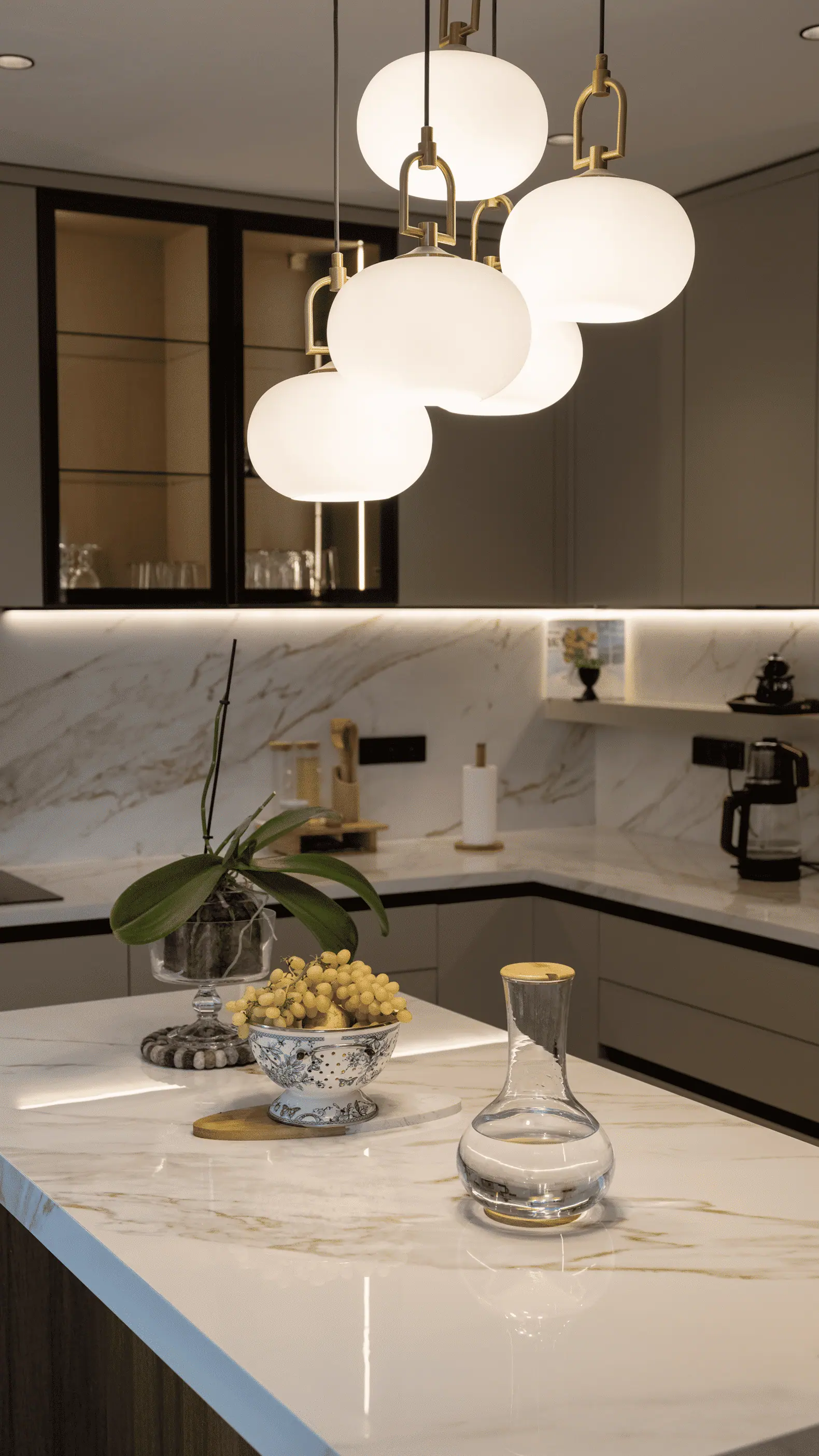
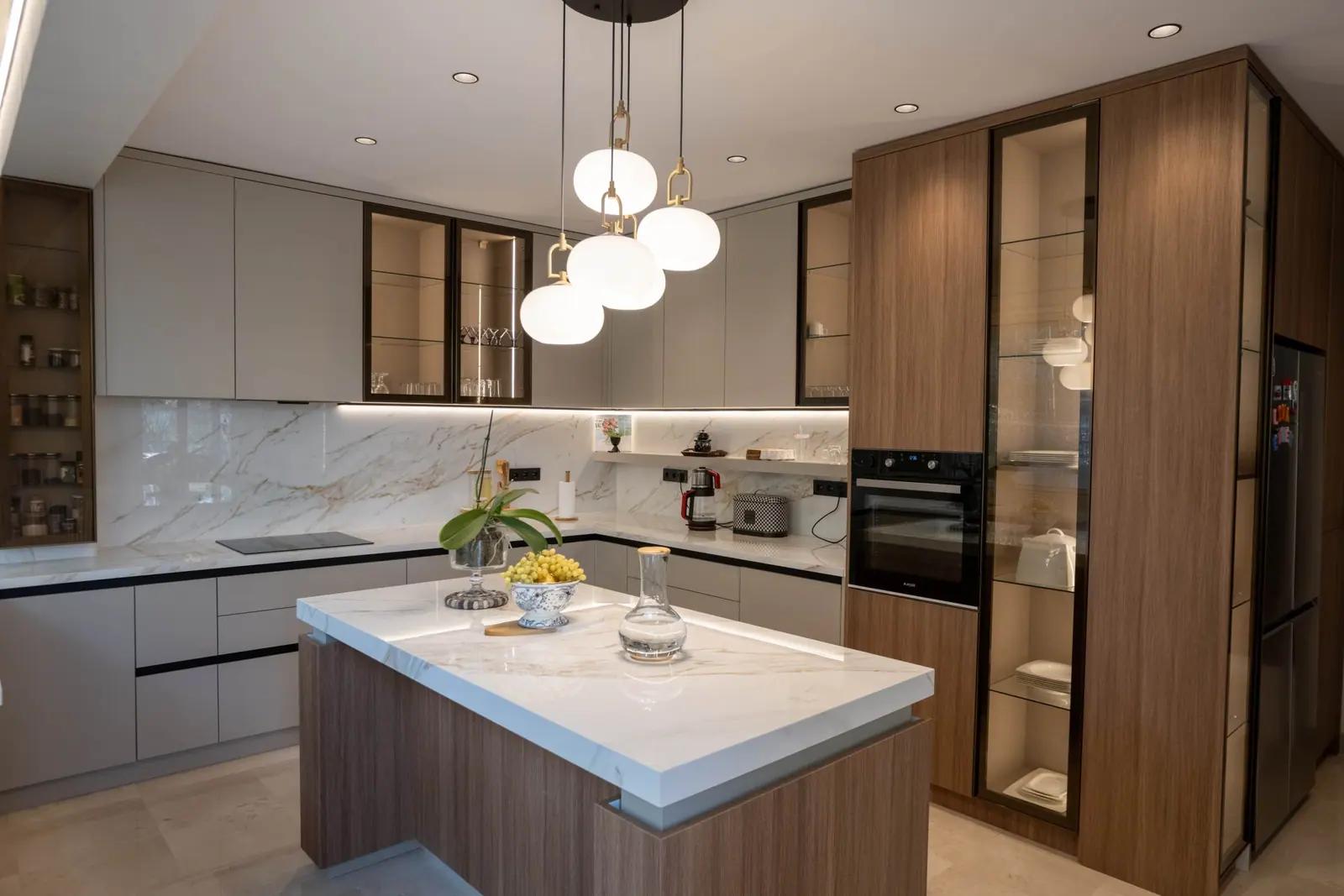
| Kitchen | 12 – 20% | Cabinetry and worktops; appliances often separate |
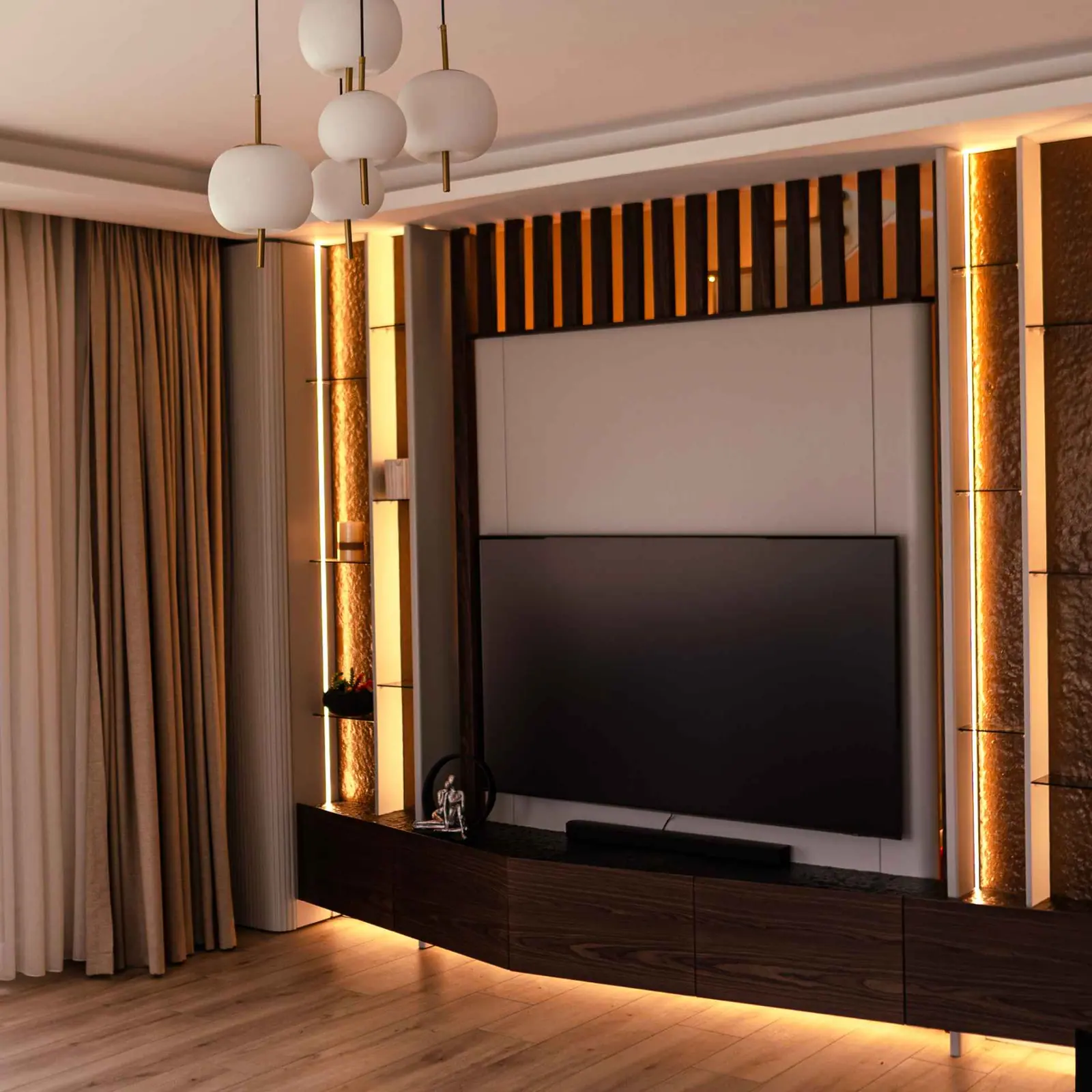
| Custom joinery | 12 – 20% | Wardrobes, dressing rooms, TV walls, doors |
| Electrics and lighting | 8 – 12% | Rewiring, distribution board, fittings |
| Plumbing and heating | 6 – 10% | Pipework, boiler, underfloor heating if any |
| Floors | 8 – 12% | Including screed levelling |
| Plaster, ceilings, paint | 7 – 10% | Suspended ceilings and cove lighting |
| Doors and glazing | 5 – 10% | Replacement windows add significantly |
| Demolition, protection, cleaning | 3 – 5% | Higher with difficult access |
Two things stand out. Wet rooms and joinery together take close to half of the budget, so that is where decisions matter most. And services, which nobody sees, are a relatively small share but the most expensive to redo later.
Design fees
Interior design fees in Istanbul are most often charged per square metre and are separate from the build budget, though design-and-build studios frequently credit the design fee against the construction contract. Compare fees only after checking which deliverables are included: survey, visualisations, construction drawings, lighting and electrical plans, joinery drawings and site supervision.
What pushes the total up
- Moving wet rooms: relocating a bathroom or kitchen means new drainage runs, often raised floors.
- Natural stone everywhere: marble floors and walls cost far more to supply and install than large-format porcelain.
- Full-height joinery with specialist finishes: lacquer, veneer and integrated lighting add up quickly.
- Replacing glazing: large sliding systems and thermally broken aluminium are a major line item.
- Smart home and lighting control: worthwhile, but budget it from the start.
- Imported fittings: long lead times and exchange-rate exposure.
What you should not cut
When budgets are tight, owners are often tempted to reduce what is hidden. Resist that. Waterproofing, pipework, electrical capacity, screed and drainage falls are inside the walls and floors; fixing them later means breaking the finishes you paid for. Cut instead from loose furniture, decorative lighting and the second-tier rooms, which can be upgraded later without disturbing the rest of the house.
Contingency
Keep a contingency and treat it strictly as cover for hidden conditions: rotten pipes, damp walls, a screed that needs levelling. For a newer villa, 5 to 10 percent of the build budget is usually enough; for an older property with original services, 15 percent or more is realistic. Changes of mind during the works, such as an upgraded tile or an extra wardrobe, should be priced and approved separately.
Inflation and price changes
Because prices can move during a project of several months, agree in the contract how prices behave: whether the quote is fixed, which items can change and how changes are evidenced. Buying tiles, sanitaryware and other storable materials early, once the specification is final, is one of the most effective ways to protect the budget.
A practical way to set your budget
- Decide the scope room by room.
- Get itemised quotes with quantities and a material specification.
- Check the shares above against the quotes: if wet rooms and joinery look too small, the quote probably assumes a lower specification than you expect.
- Add design fees, appliances, loose furniture and contingency.
- Only then compare with the figure you had in mind, and adjust the scope rather than the quality.
For how to choose and brief a studio, see hiring an interior designer in Istanbul. Our villa bathroom design and villa kitchen design guides explain the decisions behind the two largest budget items, and custom-made furniture covers joinery.
Frequently asked questions
Why do renovation quotes in Istanbul vary so much?
Usually because they price different scopes and material classes. One quote may include new services, waterproofing and custom joinery while another covers only visible finishes. Comparing quotes line by line, with the same quantities and specification, removes most of the difference.
How much contingency should I keep?
For a newer villa in good condition, around 5-10 percent of the build budget. For older properties with original services, 15 percent or more is realistic. Contingency should cover hidden conditions, not changes of mind.
Are absolute price ranges per square metre reliable?
Only as a very rough first check. Prices move quickly with inflation, exchange rates and material choices, and per-square-metre figures hide what is actually included. Proportions and itemised quotes are far more reliable for planning.