Hiring an interior designer in Istanbul: fees, scope and contracts
How interior design works in Istanbul: design-only vs design-and-build studios, how fees are set, what the scope includes and what the contract needs.
Hiring an interior designer in Istanbul works differently from what many foreign homeowners expect. The market is dominated by studios that both design and build, prices are often discussed per square metre before a scope has been agreed, and the line between "designer" and "contractor" can be blurred. Understanding how the market works helps you compare offers properly and avoid surprises once the site is open.
Two ways of working
Design-and-build studios. The same company produces the concept and technical drawings and then carries out the works, either with its own teams or with regular subcontractors. You have one contract, one point of contact and one party responsible if something goes wrong. This is the most common model for villas and full apartment renovations in Istanbul.
Design-only studios. The studio produces the design and drawings; you hire a contractor separately. This can work well if you already have a trusted builder, but coordination between the two becomes your responsibility. Keeping the designer on for regular site visits (known in Turkish as kontrollük) is strongly recommended.
| Design-and-build | Design-only | |
|---|---|---|
| Contracts | One | Two or more |
| Responsibility for mistakes | Single party | Can be disputed between designer and builder |
| Price competition on works | Limited | You can tender the works |
| Your management time | Low | Higher |
| Best for | Owners abroad, full renovations | Owners with a trusted contractor and time on site |
What a proper scope includes
A design fee is only meaningful once you know what it buys. A complete scope for a villa or large apartment usually includes:
- Measured survey (rölöve): accurate drawings of the existing property.
- Brief and space planning: how you will live in the house, room by room.
- Concept design: layout, materials, colours and 3D visualisations.
- Construction drawings (uygulama projesi): dimensioned plans, wall elevations, ceiling and lighting plans, electrical layouts, wet-room details and joinery drawings.
- Specification: a list of materials, fittings and appliances with brands and models.
- Site supervision: regular visits to check that the works follow the drawings.
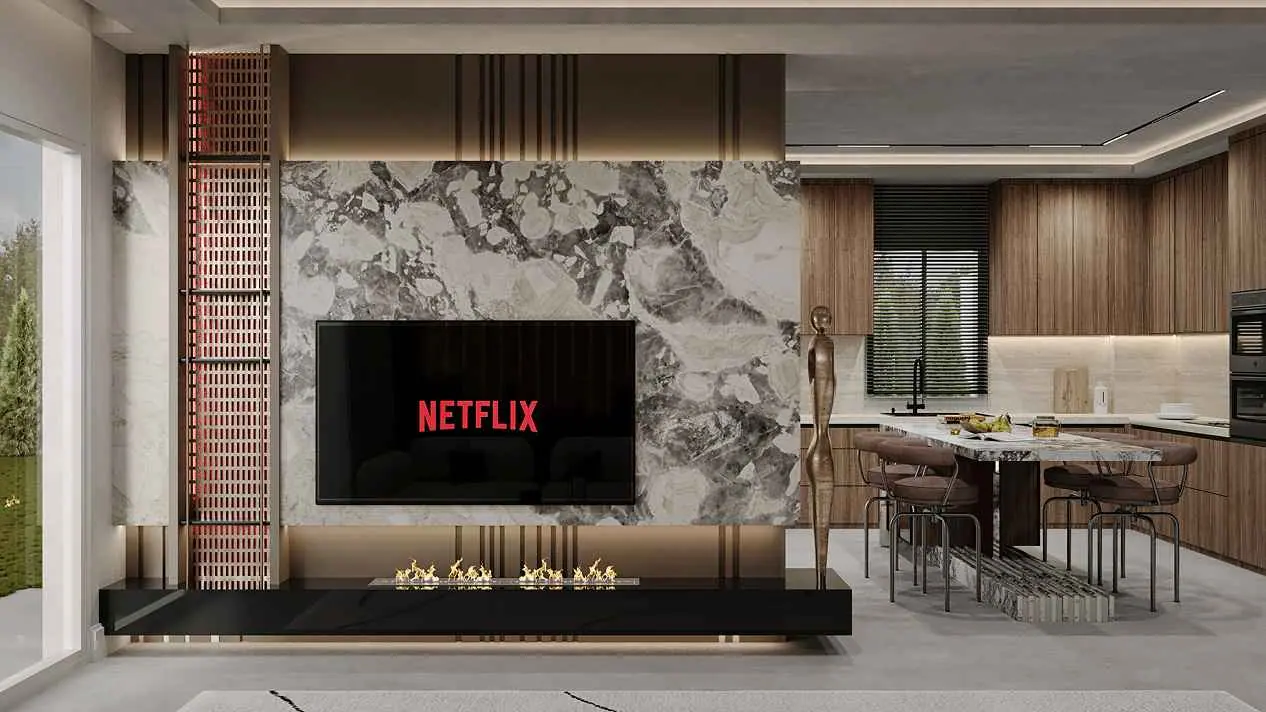
Many low offers cover only the first three stages. The 3D images look convincing, but without construction drawings the result on site depends on each tradesman's interpretation.
How fees are calculated
- Per square metre: the most common model. Ask exactly which stages are included.
- Percentage of the build cost: used on larger projects; agree a ceiling so the fee does not rise with every upgrade.
- Fixed fee: typical for a kitchen, bathroom or single-room project.
- Hourly consultation: useful before buying a property, to assess what a renovation would involve.
In design-and-build studios, the design fee is often deducted from the construction contract if you proceed. Ask what happens to the fee and to the ownership of the drawings if you do not.
Comparing offers
Put the offers side by side against the same list of deliverables: survey, number of visualisations, construction drawings, electrical and lighting plans, joinery drawings, specification, number of revisions and site visits. The differences in price usually become obvious once the deliverables are aligned.
For the construction part, ask for an itemised quote with quantities (metraj), unit prices, the class of materials and a clear list of exclusions. A single lump-sum figure is impossible to compare and invites disputes about extras later.
What to put in the contract
- Scope and deliverables, with the drawings and specification attached
- Payment schedule tied to progress on site (hakediş), not to calendar dates
- Start date, completion date and what happens if the completion date is missed
- How changes and extra work are approved and priced, in writing
- Warranty periods for workmanship, separately from product warranties
- A retention amount released only after final acceptance (kesin kabul)
- Currency of the contract and how price changes are handled
Contracts in Turkey are normally drawn up in Turkish. If you do not read Turkish, ask for a certified or at least a professional translation, and have a local lawyer review the final version, particularly the payment and currency clauses.
Questions to ask before you sign
- Can I visit a completed project and a site that is currently running?
- Who will be on site day to day, and who is my English-speaking contact?
- How will I receive progress reports if I am abroad?
- Which works are done by your own teams and which by subcontractors?
- How long is the warranty, and how do you handle defects after handover?
A studio that answers these questions clearly and in writing is usually one that runs its sites the same way.
For a breakdown of how renovation budgets are spent, see interior design and renovation costs in Istanbul. If you will be abroad during the works, managing a renovation remotely covers reporting and payments, and our glossary of Turkish renovation terms explains the words you will see in quotes and contracts.
Frequently asked questions
Do interior designers in Istanbul also do the construction?
Many do. A large part of the Istanbul market works on a design-and-build basis, where the same studio produces the drawings and runs the site with its own teams or trusted subcontractors. Design-only studios also exist; with them, you appoint a separate contractor and ideally keep the designer on for site supervision.
How are interior design fees usually calculated?
Most commonly per square metre of the project area, sometimes as a percentage of the construction budget or as a fixed fee for a single room. In design-and-build studios, the design fee is often credited against the construction contract if you go ahead with the build.
Can I work with an Istanbul designer if I don't speak Turkish?
Yes. Many studios working with international clients communicate in English and can provide translated drawings and correspondence. The site teams usually speak Turkish, so a single English-speaking point of contact who is responsible for the site is essential.