Natural stone vs porcelain floors: which is right for your villa?
Natural stone or large-format porcelain for villa floors? Look, durability, slip resistance, underfloor heating, maintenance and cost compared.
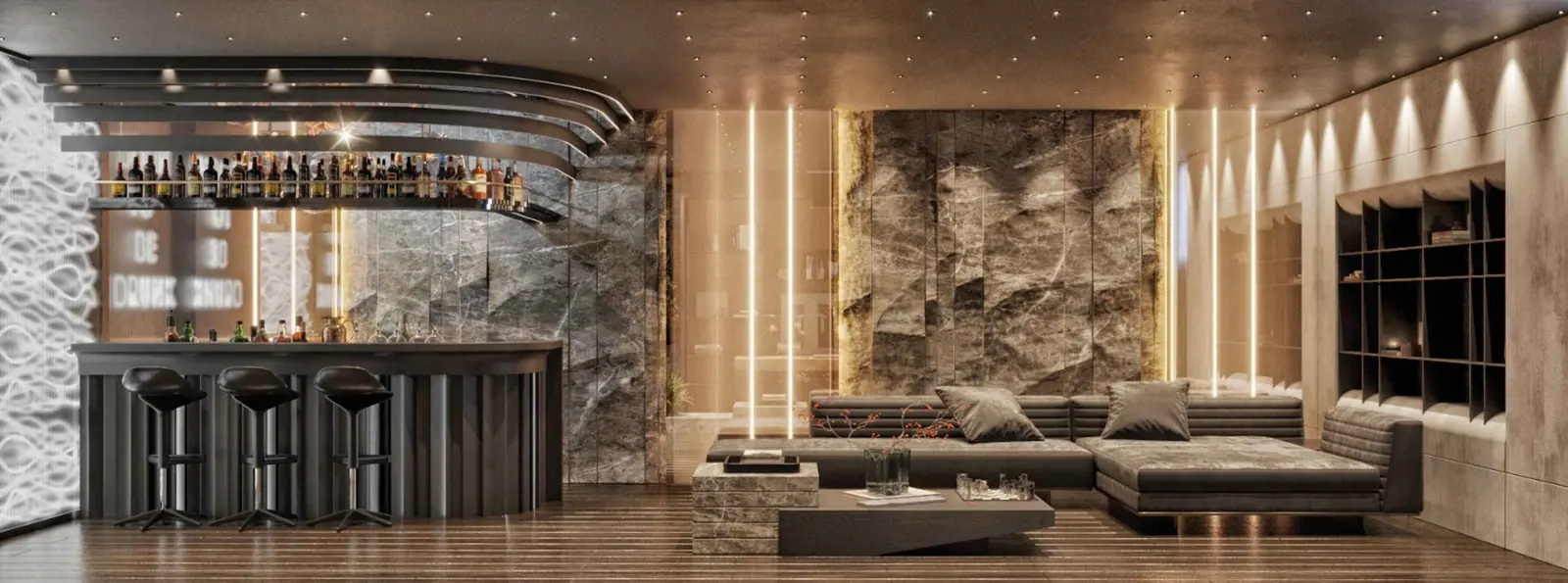
Floors are one of the largest surfaces in a villa and one of the hardest to change. In Istanbul, the decision often comes down to two materials: natural stone, especially marble, and large-format porcelain that imitates it. Both can look superb. They differ in how they age, how they are maintained, what they cost and where they perform best.
Side-by-side comparison
| Natural stone | Large-format porcelain | |
|---|---|---|
| Look | Unique, depth, natural variation | Consistent, can imitate stone closely |
| Hardness | Varies; marble is relatively soft | Very hard, scratch-resistant |
| Porosity | Porous, needs sealing | Almost non-porous |
| Acids | Marble and limestone etch | Unaffected |
| Repairs | Can be honed and repolished | Damaged tiles replaced |
| Slip resistance | Depends on finish | Specified by rating |
| Underfloor heating | Excellent | Excellent |
| Weight | Heavy, especially thick slabs | Lighter, thinner options |
| Installation | Specialist, more waste | Specialist for large formats |
| Maintenance | Regular sealing, pH-neutral cleaners | Minimal |
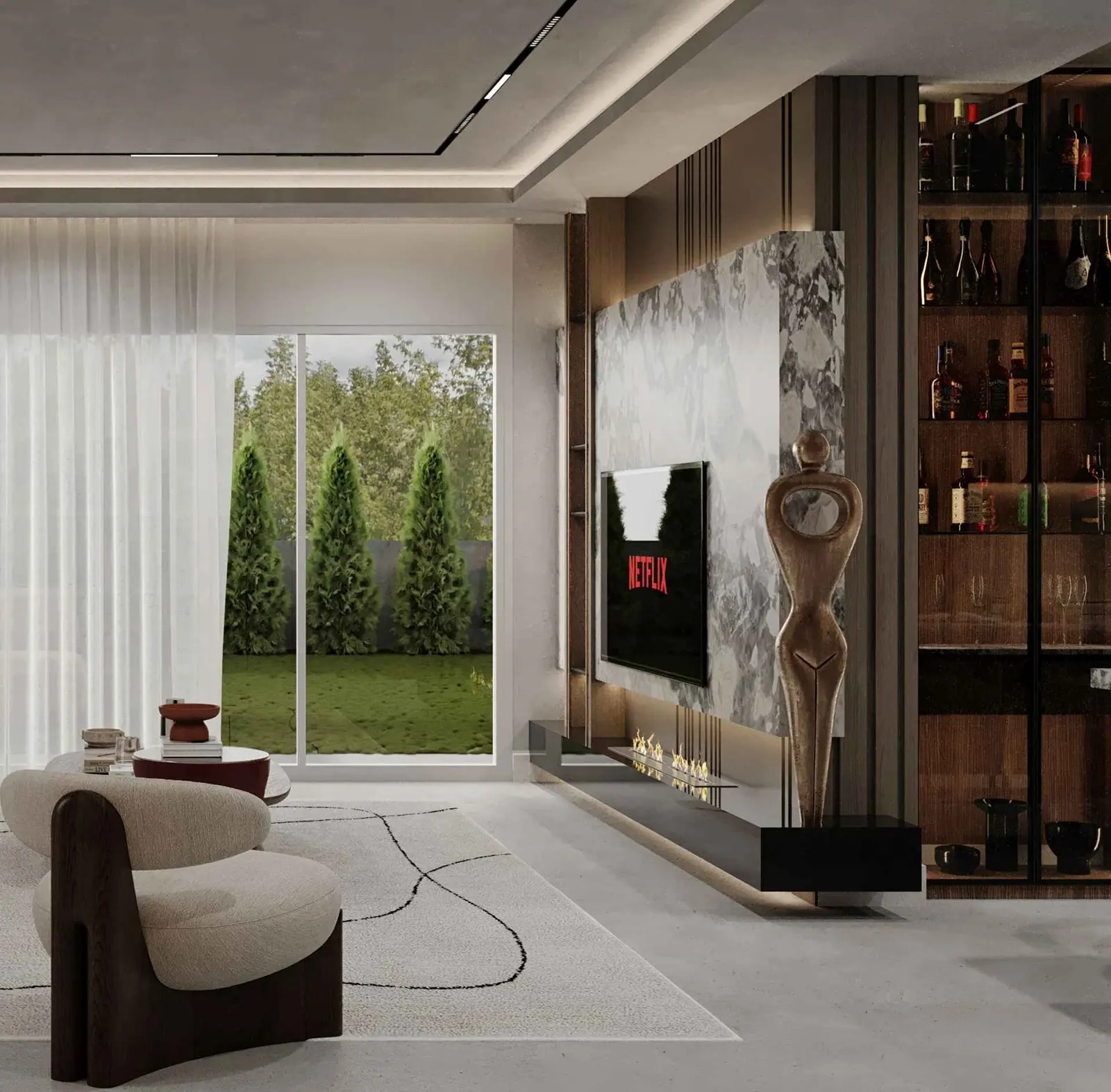
When natural stone is the right choice
- Main living spaces where you want authenticity and depth
- Feature areas such as an entrance hall or a book-matched floor
- Projects where the stone continues onto walls, stairs and fireplaces
- Owners who appreciate patina and accept maintenance
Choose dense stones, a honed or brushed finish for floors, and reserve slabs from one block for consistency.
When porcelain is the right choice
- Kitchens, utility rooms and heavy-use areas
- Rentals and busy family homes
- Bathrooms, especially shower floors with the right slip rating
- Indoor-outdoor continuity with matching outdoor tiles
- Projects where budget and predictability matter
Large-format tiles of 120 × 120 cm, 120 × 240 cm or larger reduce joints and give a slab-like look.
Slip resistance
On floors, safety comes first. For natural stone, the finish determines grip: polished is slippery when wet, honed is better, brushed or textured is best. For porcelain, check the slip resistance rating and choose a higher rating in bathrooms, entrances and terraces.
Installation and substrate
Both need a flat, stable screed. Large formats are unforgiving: a screed that is out of level shows as lippage between tiles. Use a levelling system, the right adhesive with full coverage, and planned movement joints. Heavy stone slabs may need a stronger substrate, especially on upper floors.
Cost
Natural stone costs vary widely with the stone, the finish and the slab thickness. Premium stones and book-matched layouts can cost several times more than porcelain, and waste is higher. Porcelain costs are more predictable, though large formats need experienced installers. Installation and levelling are a significant part of both budgets.
Mixing the two
Many villas combine both materials: natural marble in the entrance and living room, porcelain in the kitchen, utility and bathrooms, and a matching outdoor porcelain on the terrace. Keeping similar tones across both creates a coherent whole.
Questions to decide
- How much maintenance are you willing to do?
- Who will use the space: family, guests, tenants?
- Is the floor continuing outdoors?
- Is authenticity or consistency more important to you?
- What is the budget per square metre, including installation?
For more on stone itself, see marble in interiors. Wet-area choices are covered in villa bathroom design, and stone on stairs in villa staircase design.
Frequently asked questions
Is porcelain as durable as natural stone?
Good-quality porcelain is harder, less porous and more stain-resistant than most marbles and limestones. Natural stone, however, can be honed and repolished to remove wear, while a chipped porcelain tile has to be replaced.
Do both work with underfloor heating?
Yes. Both conduct and store heat well and are excellent over underfloor heating. The adhesive, the joints and the heating start-up must follow the manufacturer's instructions to avoid cracking.
Which is better for resale value?
In high-end villas, genuine natural stone in the main living spaces is often seen as a mark of quality. In practical areas such as kitchens, utility rooms and rentals, well-chosen porcelain is equally accepted.