Lighting control and smart home: planning scenes for a villa
How to plan lighting control in a villa: circuits and scenes, wired vs wireless systems, keypads, sensors, blinds and what to decide before plastering.
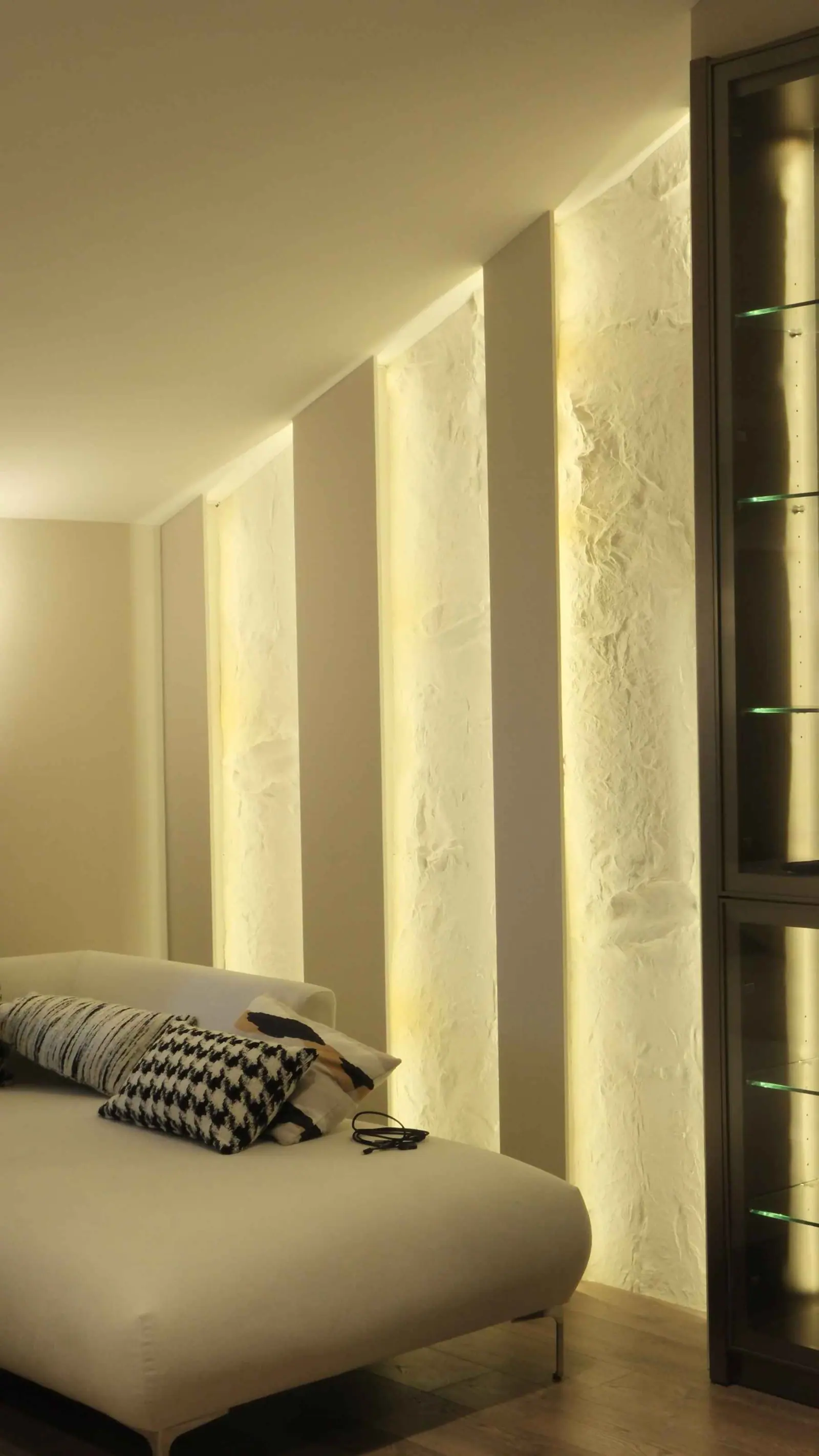
A villa can easily have fifty or more lighting circuits: downlights, coves, pendants, wall lights, joinery lighting, garden and facade lights. Controlled with conventional switches, that becomes walls full of buttons nobody understands. A lighting control system replaces them with a few simple scenes and makes the lighting design actually work in daily life.
Start with circuits, then scenes
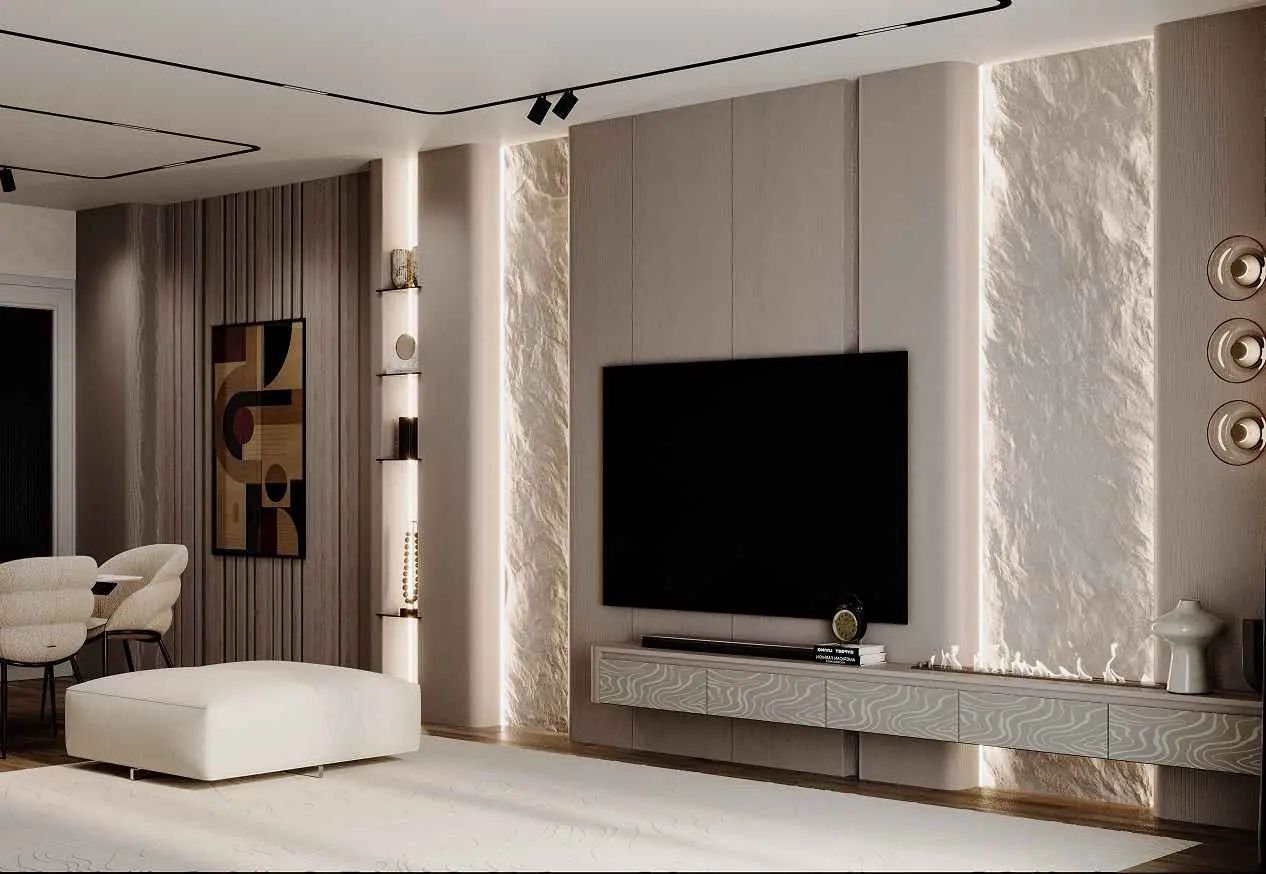
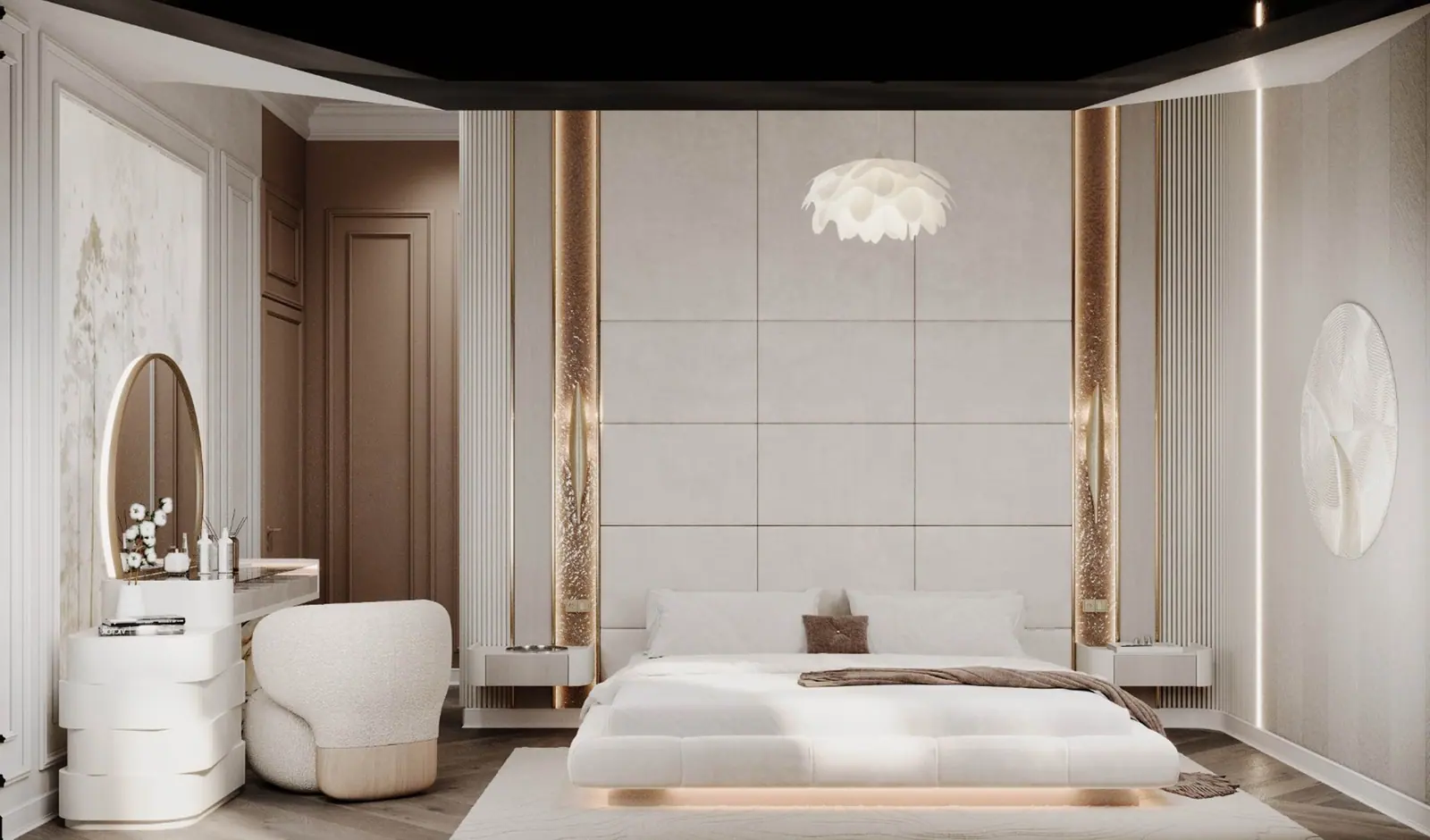
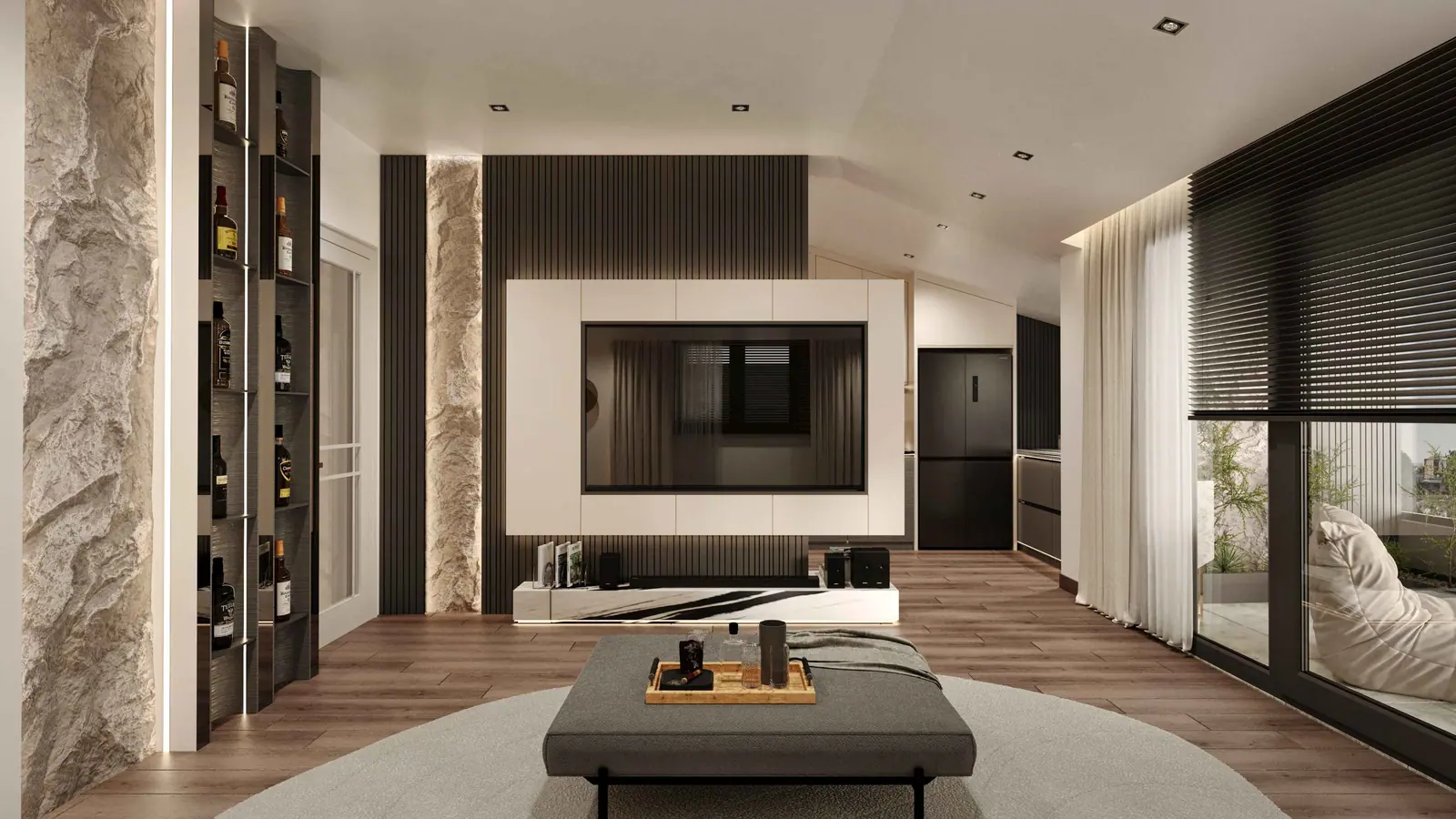
Lighting design comes first: which lights go where and which ones need to be separate. Then decide how they are grouped into scenes. A typical living room might have four circuits (downlights, cove, wall lights, lamps) combined into scenes such as:
- Welcome: everything at a comfortable level
- Dinner: pendant over the table, accents, low general light
- Relax: coves and lamps only
- TV: backlight on the TV wall, everything else dimmed
- Off / night: everything off, a low path light on
Wired or wireless
| Wired (bus) system | Wireless system | |
|---|---|---|
| Best for | New builds, full renovations | Existing homes, smaller projects |
| Reliability | Very high | Good, depends on network |
| Keypads | Anywhere, minimal wiring | Battery or mains devices |
| Expandability | High, standardised | Depends on ecosystem |
| Cost | Higher upfront | Lower upfront |
| Planning | Must be decided before first fix | More flexible |
For whichever system, choose one that can be serviced locally and does not depend on a single installer.
Keypads and switches
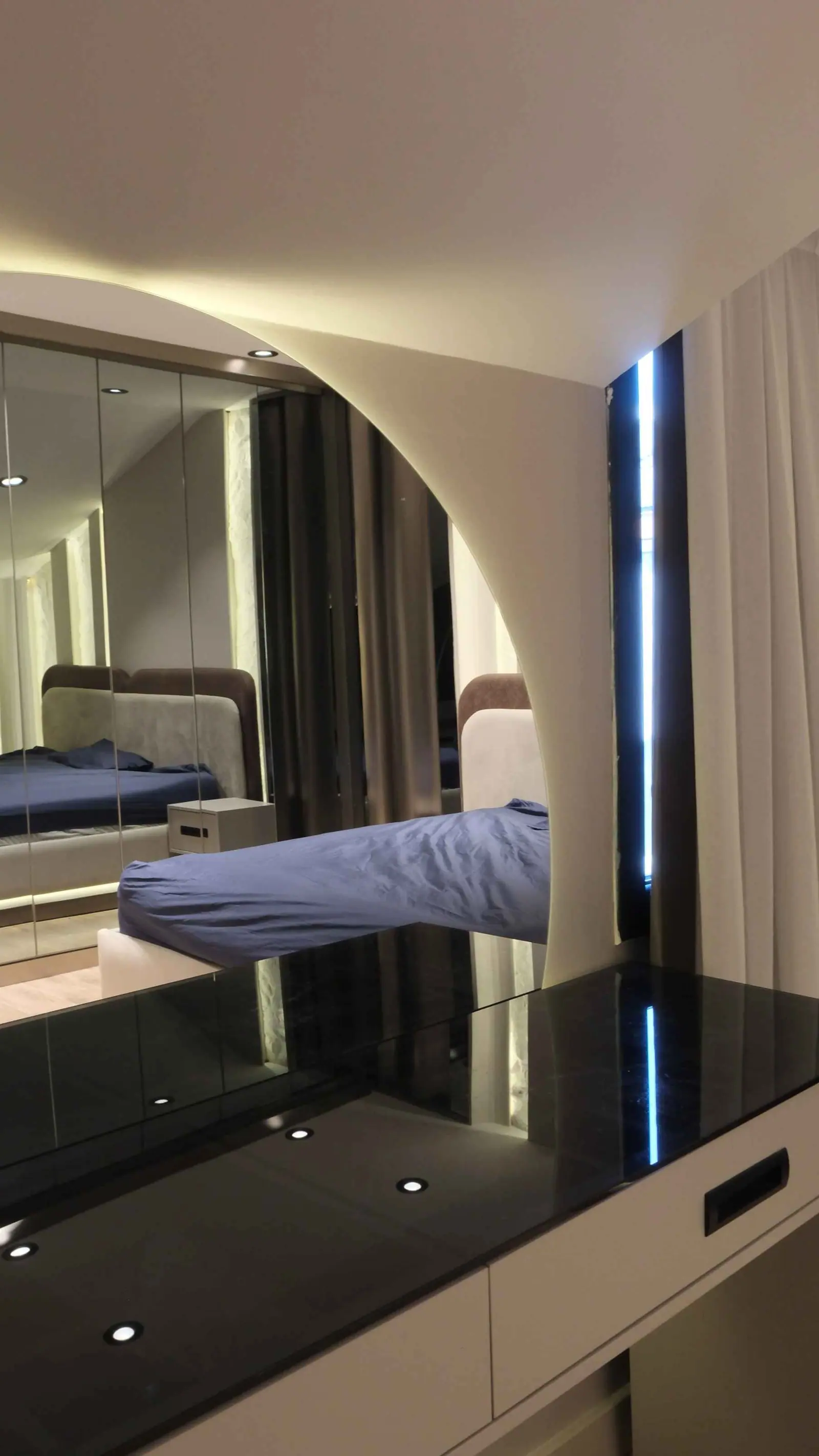
Place keypads at room entrances and bedsides, with clear engraved labels. Four to six buttons per keypad are usually enough. Add a "master off" at the main entrance and the master bedroom. Keep manual control possible: guests and staff should never need a phone to turn on a light.
Sensors and automation
- Motion sensors in corridors, stairs, wardrobes, storage and garages
- Daylight sensors to reduce artificial light when the sun is strong
- Astronomical timers for garden and facade lighting
- Holiday mode to simulate occupancy when you are away
Beyond lighting
A villa control system can also manage:
- Motorised blinds and curtains, linked to the sun and scenes
- Heating, cooling and underfloor heating zones
- Audio in several rooms
- Alarm, cameras and the intercom
- Irrigation and pool equipment
Integrating them avoids a separate app for every system.
Dimming and drivers
Check that LED fittings, drivers and the control system use compatible dimming protocols. Mismatches cause flicker, humming or poor low-level dimming. Keep drivers accessible, not buried in plasterboard ceilings.
What to decide before plastering
- The control system and its central panel location
- Every lighting circuit and its cable route
- Keypad positions and heights
- Sensor positions
- Blind and curtain motor positions with power
- Network cabling and Wi-Fi access points
Keep it simple
The best smart homes feel simple. A handful of well-named scenes, keypads that make sense and automation that runs quietly in the background will be used every day. Complex setups with dozens of options usually end up switched to "all on".
For lighting design principles in tall rooms, see lighting high ceilings. Kitchen scenes are covered in kitchen lighting design, and outdoor control in garden and facade lighting.
Frequently asked questions
Wired or wireless smart home system?
For a full villa renovation or new build, a wired system (for example KNX or a similar bus system) is the most reliable and future-proof, with a central panel and keypads. Wireless systems are easier to add in an existing home and are perfectly adequate for smaller projects.
What is a lighting scene?
A preset combination of lights and levels, such as 'dinner', 'relax' or 'night', activated with a single button, a sensor, a timer or a phone. Scenes replace rows of switches with a few meaningful choices.
When must lighting control be decided?
Before the electrical first fix, when cables are laid. Changing from standard switches to a wired control system after plastering means opening walls and ceilings.